
By Bob Lipinski
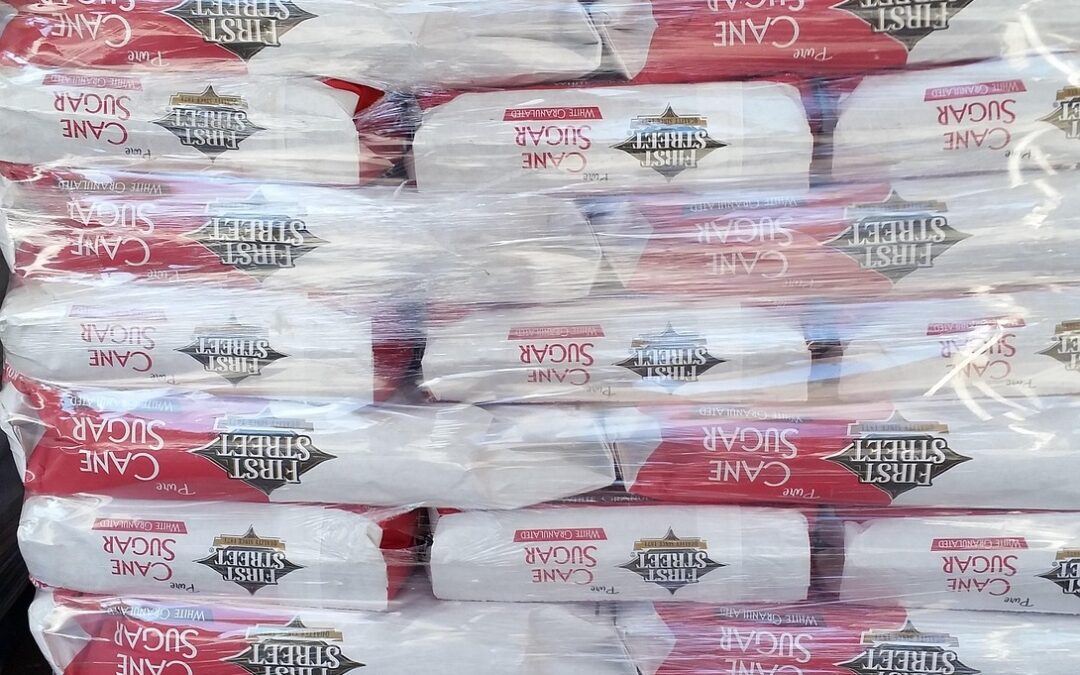
Chaptalization is a strictly regulated winemaking technique, originating in France, where sugar is added to the unfermented grape juice (must) to increase the final alcohol content, rather than to make the wine sweet.
In certain cool-climate wine-producing countries, grapes fail to ripen and there is an insufficient amount of sugar present in the grapes at harvest to produce a stable wine. The finished wine would have a low alcohol level and would be unstable and susceptible to bacterial spoilage.
Jean-Antoine Chaptal (1756-1832), a French chemist, who was appointed Minister of the Interior by Napoleon Bonaparte in 1801, promoted this technique during his service under Napoleon.
By law, a small amount of cane sugar, beet sugar, or occasionally concentrated grape must, may be added before or during fermentation. Once fermentation finishes, the resulting wine is dry. Adding sugar to the must serves only to increase the alcohol content of the final wine and does not affect its sweetness.
Countries That Permit or Prohibit Chaptalization…
Permit
Austria (***), Canada (***), China, Croatia, Czech Republic, France (***), Germany (***), Hungary (***), Japan, Luxembourg, New Zealand, Slovakia, Slovenia, Switzerland, United Kingdom, United States (New York, Oregon, Washington)
*** Please be aware that certain countries within the above list prohibit chaptalization for particular types of sweet, late-harvest, or specially designated wines. These include Prädikatswein, Vendange Tardive, Sélection de Grains Nobles, late-harvest wines, icewine, Tokaj Aszú, and many AOC wines in the Rhône and southern France.
Prohibit
Argentina, Australia, Brazil, Bulgaria, California* (U.S.), Chile, Cyprus, France (Armagnac, Calvados, Cognac), Greece, Israel, Italy, Portugal, South Africa, Spain, Ukraine
*Since 1887 California has prohibited chaptalization of its wines. The limited use of sugar was recognized by an act of Congress in 1894 but allows certain other states to chaptalize.
Chaptalization is also known as anreicherung (Germany- formerly known as verbessern), sucrage (France), sugaring of wine and sun in sacks (United States), and zuccheraggio (Italy).
Chaptalization has been widely practiced since its namesake, Jean-Antoine Chaptal, began advocating for its adoption in 1801. However, viticultural enhancements increasingly alleviate its necessity in modern vintages. Winemakers in certain EU (European Union) countries can use subtractive must enrichment as an alternative to chaptalization. The technique, illegal before 2009, allows the winemaker to remove water from the must to concentrate the sugar.
The greater quantity of sugar in the grapes, the more intense the secondary aroma is, hence chaptalization can improve the aroma. However, it is generally not possible to tell if a wine has been chaptalized by smell or taste alone, because the alcohol produced from added sugar is chemically identical to that from natural grape sugar.
“The metamorphosis of grape juice to wine is a natural process, but the creation of truly fine wines requires balanced contributions of tradition, expertise, and innovation.” (Angelo Papagni, Papagni Vineyards, Madera, California)
Bob Lipinski is the author of 10 books, including “101: Everything You Need To Know About Whiskey” and “Italian Wine & Cheese Made Simple” (available on Amazon.com). He consults and conducts training seminars on Wine, Spirits, and Food and is available for speaking engagements. He can be reached at www.boblipinski.com OR bkjm@hotmail.com
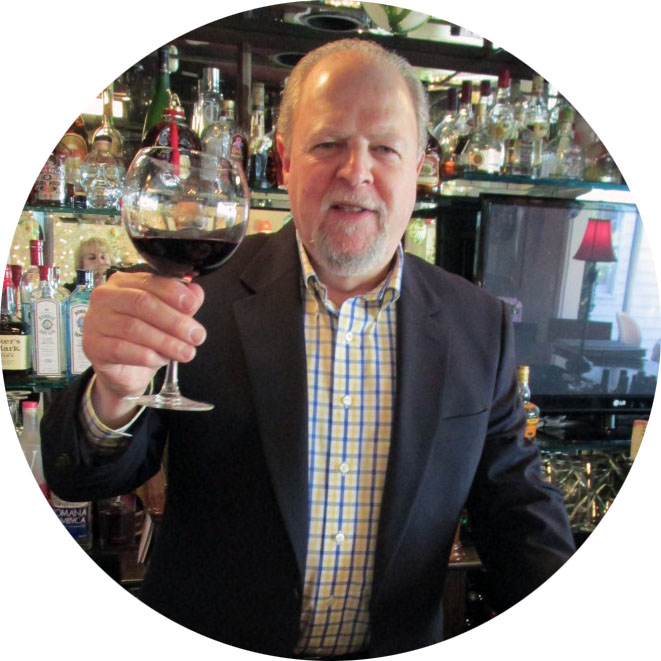 Bob Lipinski, author of 10 books; writes, consults, and conducts training seminars on Wine, Spirits, and Food and is available for speaking engagements.
Recent Comments