
By Bob Lipinski
Rebellious wine and food pairings reject traditional rules like “red with meat, white with fish” and encourages experimenting with unusual combinations. These pairings defy expectations and yield creative results, challenging traditional “so-called” expert advice that some wine and food combinations are impossible.
Some foods contain compounds such as cynarin, acids, or sulfur that can make wine taste metallic, bitter, or thin. High acidity, sugar, or bitterness in food can also clash with a wine’s acidity, tannins, or fruitiness, leading to an unbalanced pairing.
“The pairing of food and wine is a complex and highly inexact science. It is fraught with out-moded rules and a propensity for generalizations.” (Sid Goldstein, The Wine Lover’s Cookbook)
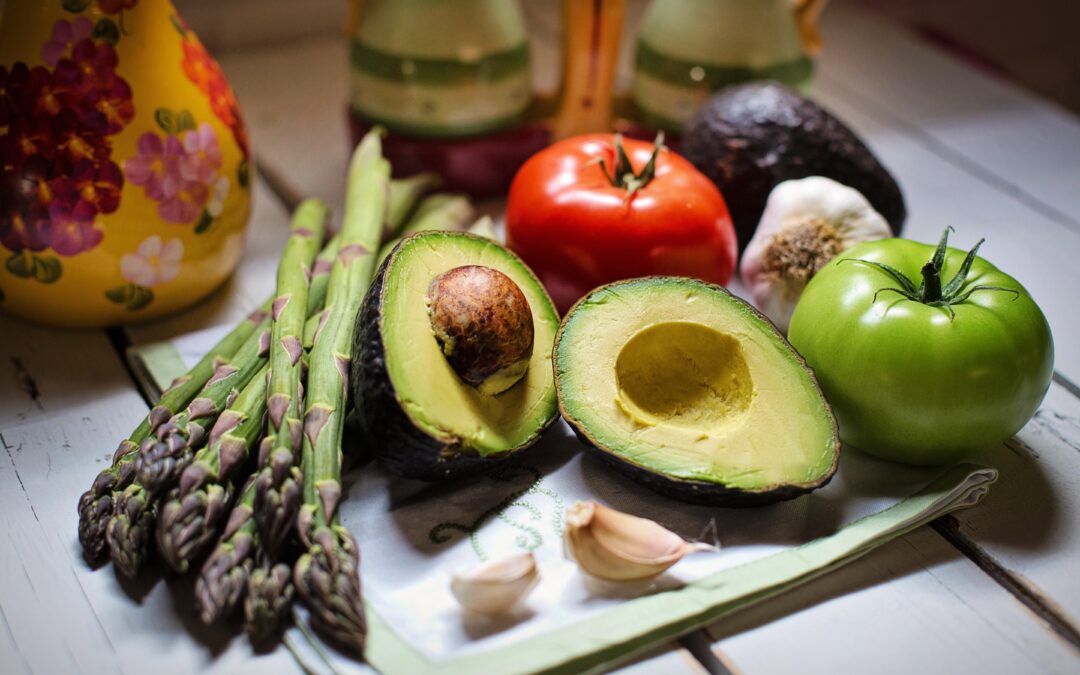
Artichokes, asparagus, avocados, and eggs can be difficult to pair, can overpower and are antagonistic to wine.
Artichokes…
Problem: Cynarin, an organic compound found in artichokes, inhibits (blocks) the sweet receptors on the tongue, creating a temporary effect. When washed away by food or beverage, the sudden release of this inhibition causes the receptors to overreact, creating a “phantom” sweetness sensation.
Solution: Serve with wines that are dry, light, low tannin, and no oak, with high acidity. If artichokes are served with a Cabernet Sauvignon, the wine’s taste becomes vegetative, very much like green cabbage.
Recommended wines: Albariño, Grüner Veltliner, Pinot Grigio, Sauvignon Blanc, Sherry (fino), sparkling wines (dry), and Vermentino.
Asparagus…
Problem: Asparagus contains sulfur-containing compounds that are largely responsible for its distinct green, herbaceous, bitter, and “vegetal” taste. They can clash with wine, making it taste bitter, metallic, sour, vegetative, and smell like rotten eggs or burnt rubber.
Solution: Avoid oaky, high-alcohol, and tannic wines. Serve asparagus with simple, light, fruity wines.
Recommended wines: Chardonnay (unoaked), Chenin Blanc, Grüner Veltliner, Riesling (dry), rosé (dry), Soave, and Sylvaner.
Avocados…
Problem: Avocados, because of their high fat content (about 15%) and creamy, buttery texture can coat the palate, while their subtle “green” or nutty flavor profile can make wines taste metallic, thin, or flat.
Solution: Choose wines with high acidity and crisp, citrus, or herbaceous notes to balance the fat and match the avocado’s subtle flavor.
Recommended Wines: Albariño, Beaujolais, Chablis, Pinot Grigio, Pinot Noir, rosé (dry), and Vinho Verde.
Eggs…
Problem: Pairing eggs with wine is tricky due to sulfur compounds in yolks causing metallic flavors and their fat coating the palate, which can make high-alcohol, tannic, or heavily oaked wines taste bitter or “hot.” Runny yolks are especially problematic, and eggs often reduce a wine’s body, sweetness, and fruitiness.
Solution: Choose wines that are light-bodied, high acidity, low alcohol, fruity, and young.
Recommended wines: Beaujolais, Chenin Blanc, Muscadet, Pinot Blanc, Pinot Grigio, Sherry (fino, amontillado), and sparkling wines (dry).
Bob Lipinski is the author of 10 books, including “101: Everything You Need To Know About Whiskey” and “Italian Wine & Cheese Made Simple” (available on Amazon.com). He consults and conducts training seminars on Wine, Spirits, and Food and is available for speaking engagements. He can be reached at www.boblipinski.com OR bkjm@hotmail.com.
 Bob Lipinski, author of 10 books; writes, consults, and conducts training seminars on Wine, Spirits, and Food and is available for speaking engagements.
Recent Comments