
By Bob Lipinski
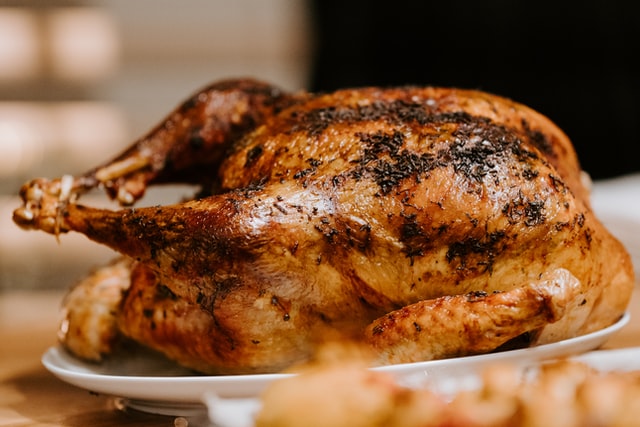
Turkey has been consumed since the 17th century, first hunted wild by colonists. By the mid-1800s, turkey became a popular holiday meal and a Thanksgiving tradition.
For centuries, the turkey was the food of the well-to-do and middle class. Turkeys became a staple for the masses especially after World War II, when innovations in farming, processing, and transportation made commercially raised turkeys abundant and inexpensive for everyone.
Turkey (2023) is now the fourth most consumed meat per capita (15 lbs.) after chicken (118 lbs.), beef (84 lbs.), and pork (66 lbs.); most of it eaten around Thanksgiving.
Turkey is one of the five highest-selling types of “cold cuts,” which consistently include ham, roast beef, turkey, chicken, and salami, with their ranking seldom varying.
There are many ways to prepare and serve turkey, with methods often varying by region. Popular techniques include baking, broiling, grilling, deep-frying in oil, smoking, air frying, microwaving, and using a slow cooker.
When roasting a whole turkey, start with its back facing up. This allows the fat glands on the back to melt and naturally baste the meat as it cooks. For the final hour of roasting, flip the turkey over.
Turkey tends to be dry, especially if it’s overcooked, unless you brine or baste it. Before I suggest some wine pairings, let’s consider what we usually enjoy alongside turkey—hopefully, cranberry sauce comes to mind! This sweet, tangy condiment adds moisture, flavor, and a berry-like quality that complements the turkey perfectly.
With that in mind, it is advisable to choose wines that are lighter in body, lower in alcohol content, higher in acidity, fruit-forward, and low in tannins.
My wine suggestions for turkey are:
2025 Georges Duboeuf “Beaujolais Nouveau,” France. (Made from Gamay grapes). Garnet red; intensely fruity aroma and flavor of black cherry, grape jelly, and strawberry. Dry with notes of hibiscus, red lollipops, raspberries, and violets. Chill for about 15 minutes for optimum enjoyment.
Villa Sandi “Il Fresco” Prosecco Brut, Treviso, Veneto, Italy. Pale yellow with notes of green apples, tropical fruit, almond, pear, and citrus. Lively and dry with a pleasing stone-fruit flavor and a lemon-lime finish.
2023 Kornell “Damian” Gewürztraminer, Alto Adige, Italy. Full aromatic bouquet of litchi, honeysuckle, orange peel, and apricots. Dried fruit; hints of roses, cinnamon, lemon peel, marzipan, and a strong, typical spicy aftertaste.
2024 Famiglia Cecchi, Val delle Rose “Litorale” Vermentino, DOC, Maremma, Tuscany, Italy. (Made with organic grapes.) Pale straw with a refreshing aroma of ripe summer fruit with notes of sage, chamomile, white pepper, melon, and peaches. Medium-high acidity with a briny mineral finish and a long dry almond aftertaste.
2021 Cecchi “Riserva di Familia” Chianti Classico Riserva, DOCG, Tuscany, Italy. (Blend of Sangiovese and Cabernet Sauvignon). Ruby red with aromas and flavors of sour red cherry, spices, mint, and hints of smoke. Medium-bodied with notes of lavender, vanilla, and earth. Long aftertaste of chestnuts and baking spices.
Turkey Cocktail
“To one large turkey add one gallon of vermouth and a demijohn of Angostura bitters. Shake.” (F. Scott Fitzgerald, 1896-1940, American novelist)
Bob Lipinski is the author of 10 books, including “101: Everything You Need To Know About Whiskey” and “Italian Wine & Cheese Made Simple” (available on Amazon.com). He consults and conducts training seminars on Wine, Spirits, and Food and is available for speaking engagements. He can be reached at www.boblipinski.com OR bkjm@hotmail.com
 Bob Lipinski, author of 10 books; writes, consults, and conducts training seminars on Wine, Spirits, and Food and is available for speaking engagements.
Great suggestions for Thanksgiving dinner. I will definitely look into these to serve when hosting again.
Laura: Thank you for the comment. I personally tested (tasted) each of the beverages! Have a great New Year!!