By Bob Lipinski
Make the most of your training by defining goals and expectations.
Product knowledge training is important for both the retail and restaurant staff, but before you contact a distributor, you should have a clearly defined vision of what type of training you are seeking.
Training may center on pure product knowledge. It could also be geared to increase revenue and profit, seasonal concerns, customer satisfaction, perhaps greater market awareness of your operation. Recognizing that training can take on distinct forms and functions is the first step toward making sure the session counts.
Distributors have a role in educating the retail and restaurant staff not only about wines and spirits, but also on trends in the hospitality industry and ideas for profit. While some of the larger distributors have a director of training on-staff, other personnel, such as key account managers or on- and off-premise specialists should not be overlooked. In addition, some distributors have Italian, French, or even champagne specialists who could be tapped for specialized training.
Often during the year, a distributor may have a representative from a winery or distillery visiting the market, who could certainly provide a unique perspective on their wines or spirits. Many of the larger distributors offer online study/ training courses free of charge to their customers.
If you plan training sessions with several distributors, remember that having them overlap could engender confusion and bad feelings.

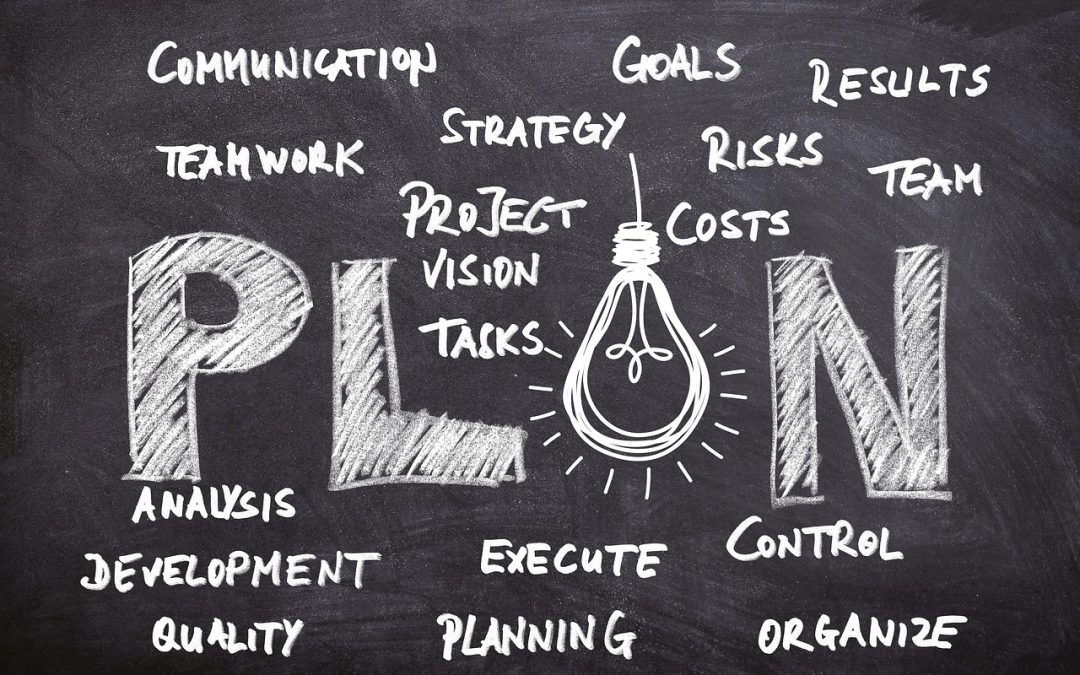
(Pixabay Photo)
Checklist For Success
When partnering with your distributor for training, it is important to understand their goals and why they may be interested in providing training. In a partnership, each side should gain but be cognizant of the “W.I.I.F.M.” factor (What’s In It For ME?) that must be addressed. What some distributors want in return for this value added training is to increase the sale of their wines and spirits, promote their products, and get more overall presence in your account. This value added service also minimizes the just sell-sell-sell to the account that distributors face.
Clearly detail your expectations and what kind of service you expect. Discuss any issues related to confidentiality and possibly conflicts of interest. When you’re ready to proceed, be certain to address the following items.
- Venue: Bring your team to the distributor’s office, or do they come to you?
- Sit-down vs. stand-up?
- Who should be invited (waitstaff, bartenders, store personnel, managers)?
- How long should the training last?
- What are the best times of the week and day?
- Is live product needed for the training? If so, how many different wines/ spirits should be tasted?
- Is there a need for PowerPoint, I-Pads, or other audio/video devices?
- Other needs such as glasses, spit bucket, dump buckets, napkins, and so forth
Inquire if your distributors can provide handouts on the material covered during training to help reinforce the message. Remember, training is not an event. It is a process and for it to be effective, training must be ongoing. It must become a priority.
After the event, do some role-playing and be sure to quiz your staff about what they learned, again and again. You are paying for the training of your staff, and they should be able to act as knowledgeable consultants to your customers.
Initial training is just the starting point. Work on an ongoing basis to build the knowledge and skill levels of your staff, whatever their experience level.
“Unless commitment is made, there are only promises and hopes; but no plans.” (Peter Drucker, 1909-2005, Austrian American management consultant, educator, and author)
Bob Lipinski, author of 10 books, has served in executive sales, training, and education roles within the Wine & Spirits Industry for over 40 years. He was also a College Professor of Management & Marketing at N.Y. Institute of Technology and Managing Director of Sales & Marketing for Ventures Education Systems U.S. Contact him at www.boblipinski.com OR bkjm@hotmail.com.
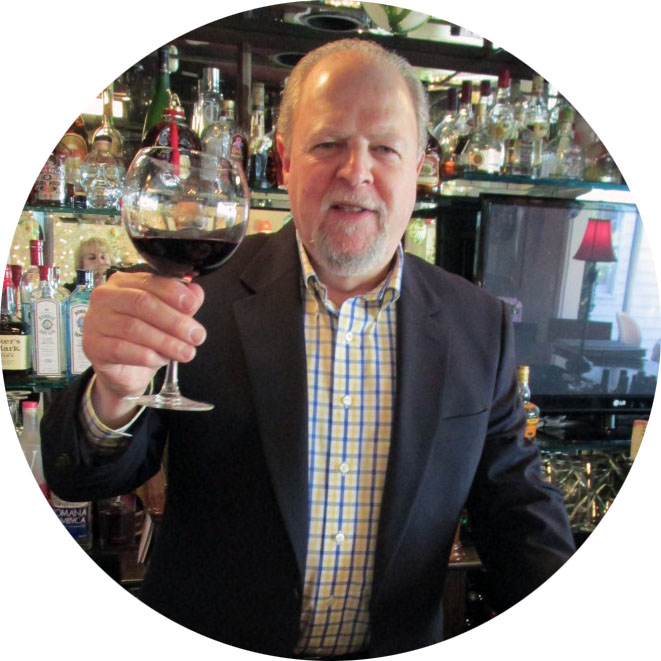 Bob Lipinski, author of 10 books; writes, consults, and conducts training seminars on Wine, Spirits, and Food and is available for speaking engagements.
Recent Comments