
By Bob Lipinski
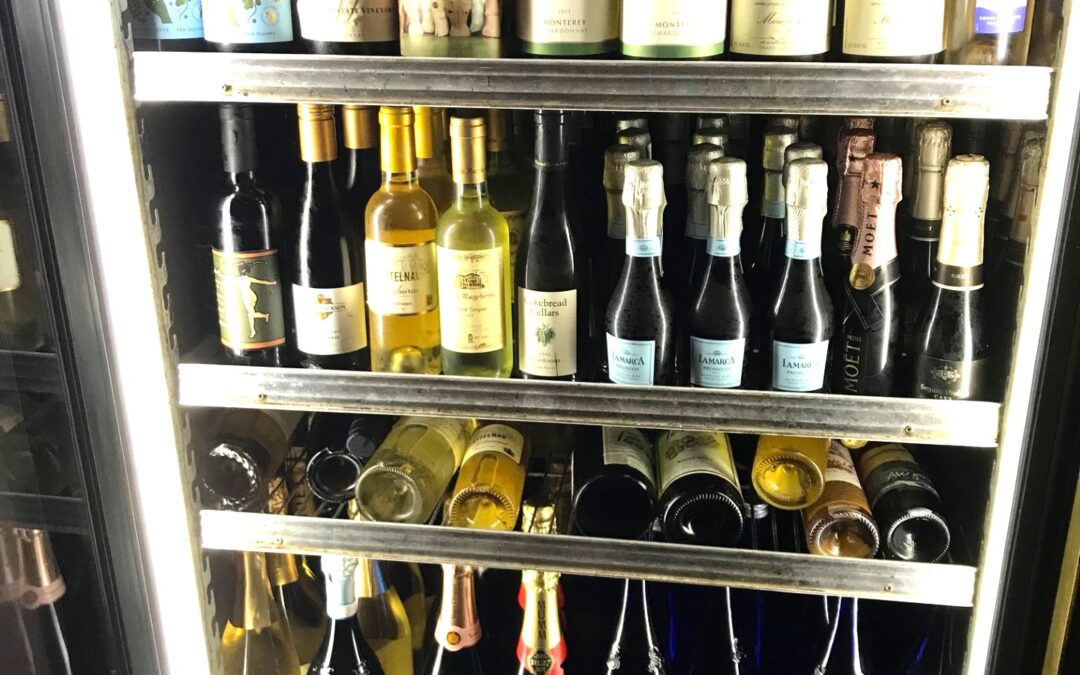
One of most overlooked areas of sales and profit is the cold box. It’s a great merchandising tool, but unfortunately, low profit, and/or low demand wines often occupy this limited, yet valuable space. Proper cold box management can dramatically increase sales and generate additional profits.
Consider for a moment the cost of the cold box, maintenance, electricity, and the space it occupies in your store. The cold box is the most expensive square footage in the store, and this valuable asset needs to augment and even drive spur of the moment, “high-impulse” purchases.
Chilled wines are a great way to increase impulse sales. One foot of chilled wine space averages 3.5 times more sales than one foot of warm shelf space. Most sparkling and table white wines are consumed cold… so think: “If it’s cold, it’s sold!”
Availability of chilled wine can draw additional customers into the store. Chilled wines are huge impulse items and it’s convenient and less work for the consumer after a busy day. On weekdays, busy people are often less likely to plan meals; they are more likely to stop and shop for something prepared. These same people who shop after work are looking for a chilled bottle to take home for dinner. Impulse buyers will often pay for higher-priced wines, simply because they are chilled!
More than 90 percent of wine purchases are meant to accompany food, whether at home, a party or a BYOB restaurant and over 40 percent of white and sparkling wine sales after 6pm are chilled.
What Should Be In The Cold Box?
- High-profit wines
- High-turnover wines
- Champagne and sparkling wines
- Rosé wines
- Chardonnay and Pinot Grigio (the two top-selling white wines)
- Sauvignon Blanc, Riesling
- 187-ml. and 375-ml. bottles (and even cans) of popular and profitable wine brands
What Should Be Removed From The Cold Box?
- Wines with too many facings
- Low-profit wines
- Low-turnover wines
- Dead space between shelves or bottles
Cold Box Issues
- Frequent re-stocking and rotation of warm to cold is necessary
- Rotate stock (especially slow moving or older items)
- Champagne/ sparkling wine selections should be limited to various price points
- Beverages that you want to sell more of place near the handle of the cold box rather than the door hinge.
Other Items To Consider
- Ready-to-Drink (RTD) beverages
- Sweet and dessert wines
- Fino Sherry and other fortified wines
- Flavored vodka or rum
- Shooter brands
- Local market-driven brands
Consumers buy substantially more of what catches their eye on shelves, racks, displays and in the cold box. Using shelf tags and other signage identifying those items also available in the cold box can dramatically increase sales and result in additional facings. A sign on the cold box that offers help in pairing wines with foods is also a good idea.
It’s vital to merchandise well-known, high-performing wine brands in the cold box to maximize visibility, sales, and profitability.
Bob Lipinski, author of 10 books, has served in executive sales, training, and education roles within the Wine & Spirits Industry for over 40 years. He was also a College Professor of Management & Marketing at N.Y. Institute of Technology and Managing Director of Sales & Marketing for Ventures Education Systems U.S. Contact him at www.boblipinski.com OR bkjm@hotmail.com.
 Bob Lipinski, author of 10 books; writes, consults, and conducts training seminars on Wine, Spirits, and Food and is available for speaking engagements.
Recent Comments