
By Bob Lipinski
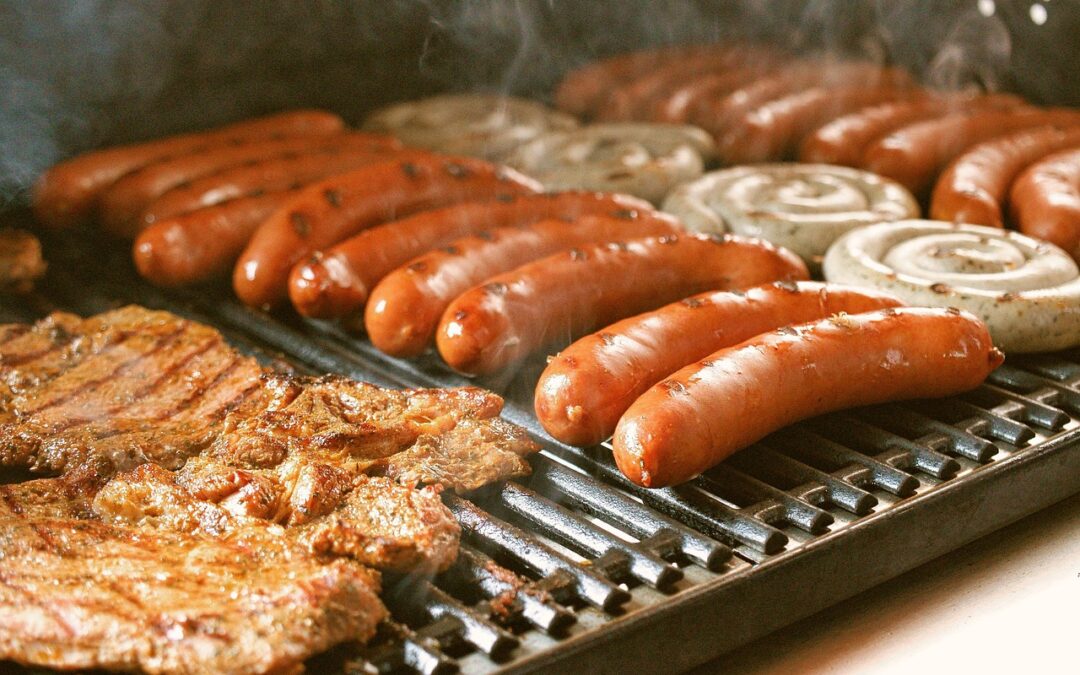
“Grilling” and “barbecuing” are often used interchangeably when cooking outdoors, but they are different techniques. The key differences are heat and time: grilling cooks food quickly over direct, high heat, typically 450°F to 700°F, making it ideal for thin, tender foods such as burgers, steaks, chicken breasts, hot dogs, and vegetables.
Barbecuing uses low, indirect heat, usually 225°F to 275°F, along with wood smoke to cook larger, tougher cuts, such as brisket or ribs, slowly over several hours.
Here are some tips to make your outdoor cooking even more delicious…
— Be certain that meats are as dry as possible when they are put on the grill. If they have been marinating beforehand, the meat should be drained and dried thoroughly, otherwise the liquid will drip onto the fire causing flare-ups.
— For the best crust and flavor, salt and pepper (coarsely cracked pepper) your steak before cooking. Salting ahead of time tenderizes the meat and helps draw out surface moisture so the steak develops a deeply browned, crispy exterior on the grill.
— While cooking, lightly baste the meat as needed to keep the surface moist, taking care to prevent drippings from falling onto the fire.
— Flip hamburgers when juices rise to the surface. Avoid pressing them after they start cooking, as this squeezes out fat and juices, resulting in a drier, less flavorful patty.
— Frequently flipping cooks meat more evenly and helps prevent one side from overcooking. Contrary to the belief that steaks or burgers should be flipped only once, turning them often can build a good crust while allowing the interior temperature to rise more steadily and safely.
— Searing meat doesn’t “seal in” moisture; it actually drives moisture away through evaporation. The sizzle you hear as a steak cooks on the grill is moisture escaping. The browned crust that forms during searing comes from the Maillard reaction—a chemical process in which proteins and sugars brown and develop flavor. Although a steak’s crust is not impermeable, it adds appealing taste and texture. A steak’s juiciness depends less on water than on fat, which is why marbling is so prized.
— Cutting into a steak to check doneness is fine; it affects appearance, not juiciness. A knife cut or fork poke won’t cause the steak’s moisture to “run away.” Still, using an instant-read thermometer—or learning to judge doneness by feel—is easier and more reliable.
— If a steak is rotated 90 degrees halfway through cooking, it creates diamond grill marks that make the meat look better. This technique is called crosshatching.
Here are some delicious red wines to drink with your grilled (or barbecued) foods.
2021 Avignonesi “Desiderio” Merlot, IGT, Tuscany, Italy. Full bouquet and flavor of plum, jam, spicy cherry, rhubarb, black pepper, and blueberries. Wine is bursting with notes of black tea, cedar, licorice, spices, and blackberry. Great finish with a silky aftertaste.
2020 Bogle “Phantom” Proprietary Red Wine, California. Dark, wild berries with flavors of jam, black pepper, licorice, and figs. Notes of vanilla, baking spices, and toasted oak.
2021 Casa Velha “Red Blend” DOC, Douro, Portugal. (Blend of Touriga Nacional, Tinta Roriz¸ Tinta Barroca grapes.) Very easy to drink; smooth with layers of dark fruit, blackberry, plums, black pepper, cola, and slightly earthy.
2022 Parducci “Petite Sirah,” Mendocino, California. Inky black color, with a spicy bouquet and flavor of blackberry, black cherry, black currants, and plums. Overtones of allspice, nutmeg, and tobacco.
Bob Lipinski is the author of 10 books, including “101: Everything You Need To Know About Whiskey” and “Italian Wine & Cheese Made Simple” (available on Amazon.com). He consults and conducts training seminars on Wine, Spirits, and Food and is available for speaking engagements. He can be reached at www.boblipinski.com OR bkjm@hotmail.com.
 Bob Lipinski, author of 10 books; writes, consults, and conducts training seminars on Wine, Spirits, and Food and is available for speaking engagements.
Recent Comments